
What a Bullard Thermal Imager Can Miss in a Fire Search
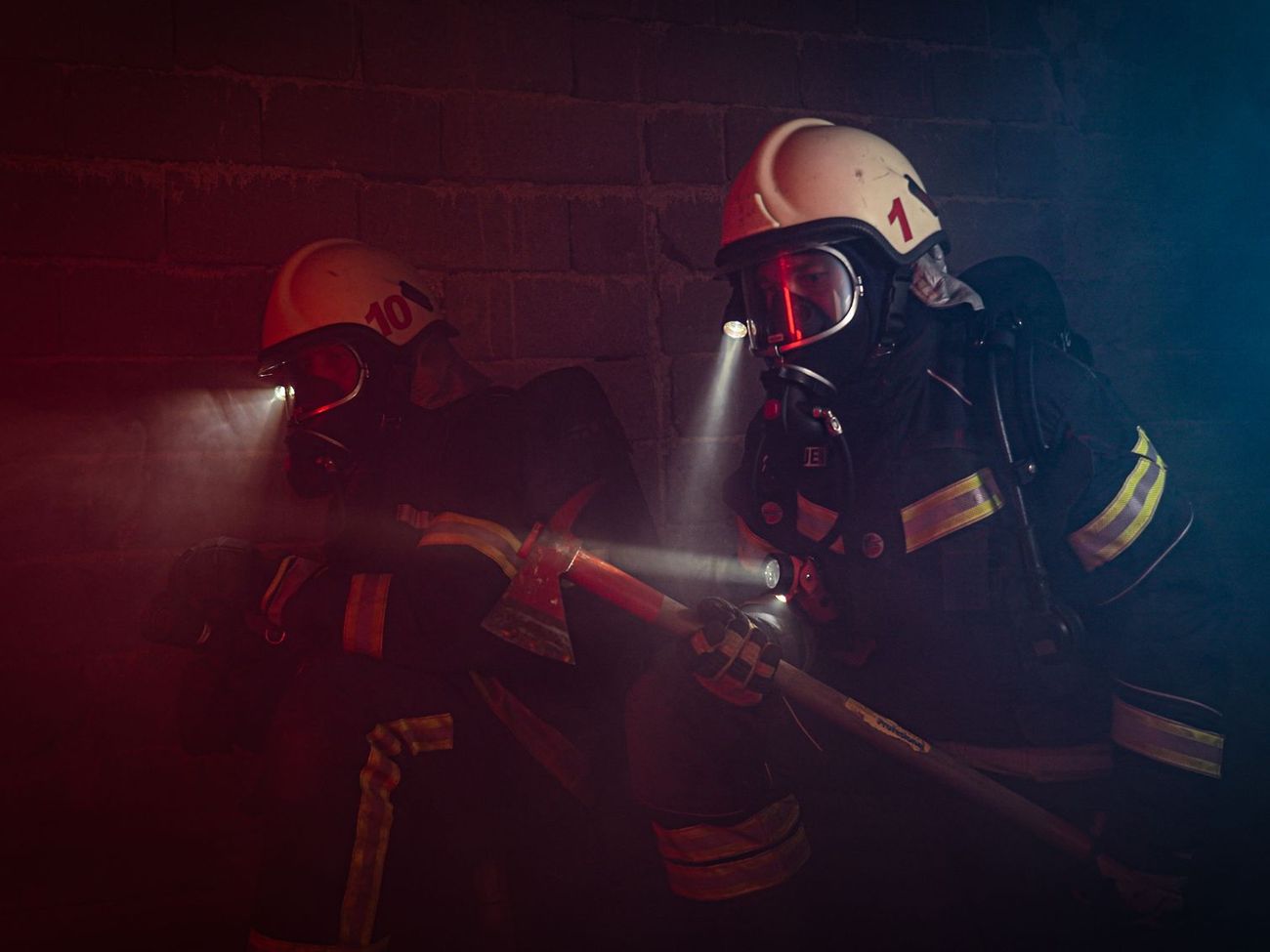
A Bullard thermal imager can give firefighters useful information where ordinary visibility is poor. It shows patterns of infrared energy associated with surfaces, helping a trained crew interpret a scene through some smoke and in darkness. But a striking image on the screen is not a complete map of a burning building, a measurement of breathable air or proof that no one is nearby. We want residents to understand why the camera can support a search without replacing the fundamentals of firefighting.
Reading heat patterns is not ordinary vision
A thermal imaging camera detects infrared radiation and converts differences into a visible display. It can show contrast between surfaces even when a flashlight cannot provide a useful view through darkness or some smoke. What appears bright or dark depends on the camera's processing, operating range, displayed palette and the thermal properties of the scene. An imager is not looking through construction as if the wall were transparent.
Two objects at similar temperatures may be difficult to distinguish. A warm surface is not automatically the location of a fire, and a human shape is not necessarily visible against a background with little contrast. The view can also change when the camera shifts its operating range or its display emphasizes a different span of temperatures. We treat the image as additional evidence rather than as an unqualified answer.
Surfaces and conditions that confuse images
Walls and closed doors block direct views of what is behind them. Glass, water and reflective materials may prevent a reliable view or return misleading infrared reflections. A firefighter might see heat associated with a surface rather than the object they expect beyond it. Moisture, contamination on the lens and rapidly changing conditions can further reduce clarity.
NIST's testing of thermal imagers examines the challenges of extreme heat and low thermal contrast. In severe conditions, a detector can saturate, losing useful differences within the image. In a near-ambient scene, sensitivity and signal-to-noise limitations may hide small contrasts. Those are performance questions, not evidence that the latest camera from any particular manufacturer is infallible.
Why firefighters still use trained search skills
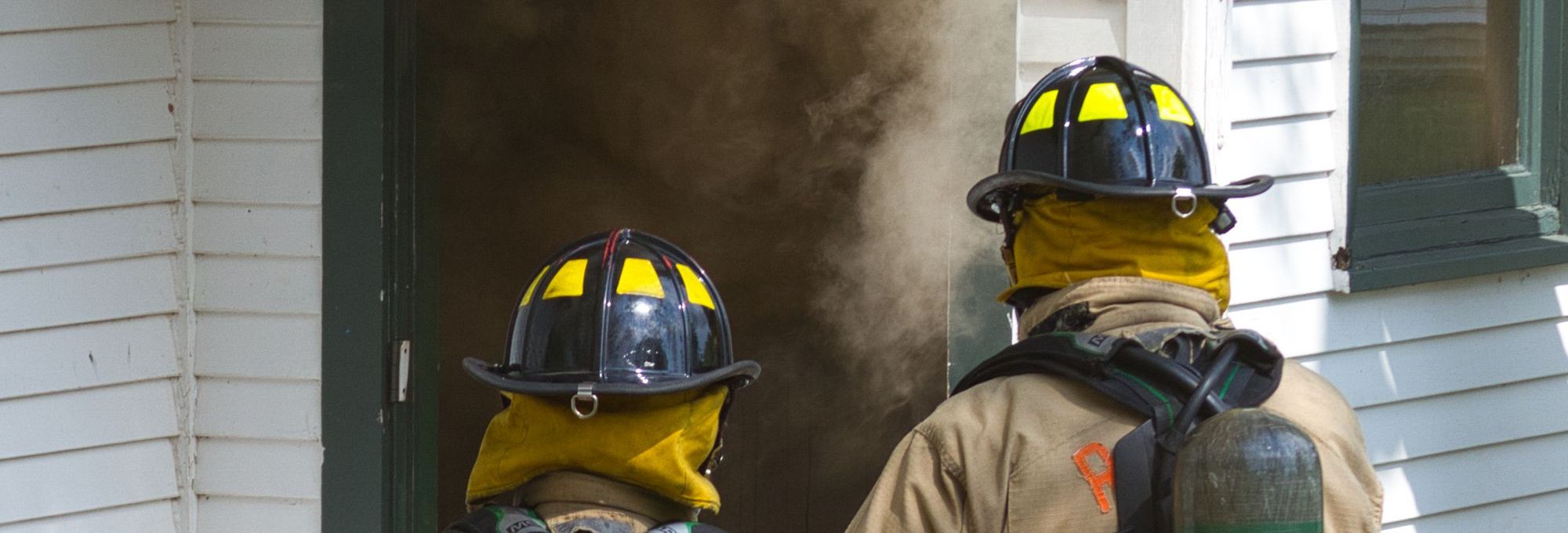
A thermal imager does not determine whether a floor is structurally sound, whether smoke contains dangerous gases or whether the route out is still usable. It does not replace communication, accountability, physical orientation, protective equipment or a crew's trained search process. We regard camera information as one part of a larger picture interpreted by qualified responders.
An older fire-service research project on camera limitations submitted to the National Fire Academy in 2004 identified issues such as whiteout in intense heat, false confidence and the need for training. That research describes the equipment and practices of its period; it is not a laboratory certification or a verdict on every modern Bullard unit. The enduring lesson is to ask what the camera cannot establish as well as what it appears to show.
For residents, the safe boundary is straightforward: do not enter a burning or smoke-filled structure to search with a camera, even if you own one. Call 911, leave the danger area and let trained crews handle interior operations.
Thermal images can still support decisions
| Can help reveal | Cannot guarantee |
|---|---|
| Surface heat patterns or possible hotspots | The precise fire location in every condition |
| Thermal contrast through some smoke | A view through walls or closed doors |
| Visual clues during a trained search | That all rooms or concealed spaces are clear |
| Changes visible in a camera image | Safe air, stable structure or safe exit routes |
Two questions residents often ask
Can it see through walls? No. A thermal camera usually shows infrared energy associated with the visible surface, not a direct image of someone behind a wall. Reflections and heat transfer can make a display especially easy to misinterpret without training.
Does a bright display give an exact temperature? Not necessarily. Brightness shows an image relationship under the unit's settings and the surface conditions. A displayed estimate, if the particular model provides one, should not be treated as an exact air temperature or a universal hazard threshold.
Technology works with training
Our historical equipment inventory names a Bullard thermal imager, but the older page does not establish the model or number of devices currently in service. The useful public message is independent of that inventory: thermal imaging supports the judgment of a trained firefighter; it does not replace it. Fire scenes remain unpredictable, and no handheld display can make a risky search safe by itself. A useful image is valuable only when crews understand its blind spots, preserve their orientation, and keep other safety information in view.