
What to Do With an AED Before Our Crews Arrive
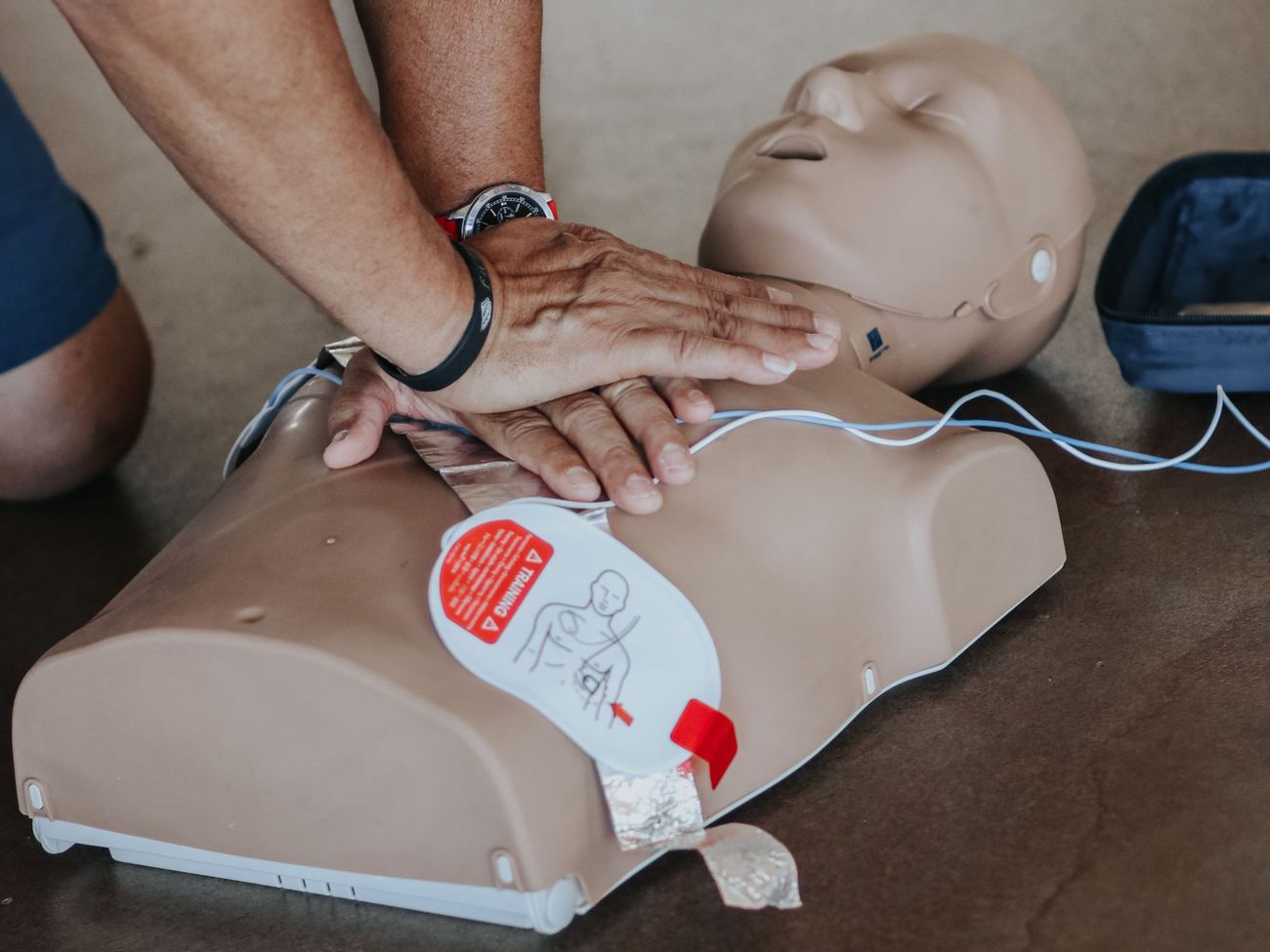
Someone has collapsed and is not responding in Hendersonville, Tennessee. Call 911 immediately. If the person is not breathing normally, start CPR and ask someone to bring an automated external defibrillator (AED). We want our neighbors to know the essential sequence before emergency crews arrive: recognize the emergency, call for help, keep blood moving with compressions, and follow the AED's spoken or visual directions. Do not delay action while looking for a particular brand.
Recognize the signs that require action
First make sure the area is safe enough to approach. Tap the person's shoulders, speak loudly and look for a response. If the person is unresponsive and has no normal breathing, or is only gasping, treat this as possible cardiac arrest. Gasping can sound like an occasional snort or irregular breath; it is not a reason to wait. The CDC's description of cardiac arrest distinguishes this sudden loss of effective circulation from a heart attack, although one can lead to the other. A bystander should not spend time trying to check a pulse.
Call 911 and begin hands-only CPR
- Call 911. Put your phone on speaker so the dispatcher can guide you. Give the exact location and say that the person is unresponsive and not breathing normally.
- Ask a second person to find an AED if one is nearby. If you are alone, follow the dispatcher's instructions about calling, obtaining a nearby device and beginning CPR.
- For an adult, place your hands in the center of the chest and push hard and fast, at 100 to 120 compressions per minute, allowing the chest to recoil between compressions. Aim for at least two inches of depth. Continue until the AED is ready or the dispatcher directs otherwise. For children or special circumstances, follow dispatcher guidance.
Follow the AED prompts safely
An AED analyzes the heart rhythm and decides whether a shock is appropriate; it does not shock every person who collapses. The American Heart Association's cardiac-arrest response sequence places device use alongside prompt CPR, not instead of it.
- Turn the AED on and listen. Some devices begin speaking when the case opens; others use a power button. Follow the prompts for the unit in front of you.
- Expose the person's chest, dry it if wet, and place the pads exactly as the pictures on the pads show. If another person is doing compressions, keep interruptions as short as practical while the device is prepared.
- When the AED says it is analyzing, make sure nobody is touching the person. If a shock is advised, loudly tell everyone to stand clear. Some devices ask you to press a shock button; fully automatic models deliver it themselves.
- Immediately follow the next prompt, usually to resume CPR. If the device says no shock is advised, continue CPR as directed. Leave the pads in place and let the unit provide further instructions.

Keep helping until responders take over
Continue CPR and AED directions until the person shows signs of life, the dispatcher directs otherwise, or trained responders take over. When our crews or emergency medical personnel arrive, report where and when the collapse happened, whether CPR was started and whether the AED delivered a shock. You do not need to identify the rhythm.
Our archived emergency-response equipment includes an older description of an AED. Its model-specific buttons and historical inventory are not instructions for a bystander using a different device today.
Three quick questions
What if the AED says 'no shock advised'? Keep doing CPR as instructed. A no-shock message is not proof that the emergency has ended; the device may have found a rhythm for which electrical shock is not appropriate. Continue to listen for its next prompt.
Can someone without formal training use an AED? Yes. Public-access AEDs are designed to guide rescuers with prompts. Call 911 first, listen carefully and keep other people clear during analysis or a shock. Hands-on training still helps people act confidently.
Does gasping mean the person is breathing normally? No. Occasional gasps can occur in cardiac arrest. If the person is unresponsive and only gasping, call 911 and start compressions rather than waiting for regular breathing to return.
We encourage residents to learn CPR and AED skills through recognized training. In an emergency: call 911, start CPR, use the AED and follow professional instructions.
If someone is unresponsive and not breathing normally, call 911 immediately. This page supports, but does not replace, dispatcher instructions or hands-on CPR/AED training.